Can You Hear Me Now?
A practical guide to hearing aids: what they cost, where to get them, and what the government might cover for you.
If you have ever found yourself nodding along in a conversation while having absolutely no idea what was just said, you are in good company. Age-related hearing loss is one of the most common health changes Australians experience from their sixties onward. Roughly one in three people over 65 has some degree of it. The good news is that hearing aids have never been better, and in some cases, the price has never been lower. The trick is knowing where to look.

What Are the Options?
There are three main paths when it comes to hearing aids in Australia: a private audiologist, a big-box retailer (hello, Costco), or the government's own Hearing Services Program. Each comes with its own trade-offs on cost, quality, and service.
The Private Audiologist Route
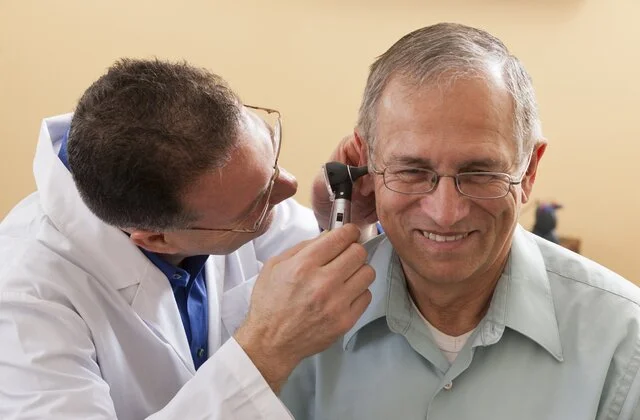
Seeing a private audiologist is the Rolls Royce experience. You get a thorough diagnostic assessment, a clinician who knows your file, and access to the full range of devices from all major manufacturers. Premium hearing aids through this channel can run from around $6,000 to $14,000 per pair, and yes, that figure is real. At the top end you are paying for AI-powered noise cancellation, multi-environment memory, seamless Bluetooth streaming, and a level of personalised fitting and follow-up care that is hard to match anywhere else. The ongoing relationship matters too. A good audiologist will fine-tune your devices over months as your hearing and lifestyle needs become clearer. If you have complex hearing loss, tinnitus, or asymmetric hearing between ears, this level of specialist care can make an enormous practical difference to daily life. Private health insurance extras may cover a portion of the cost, so it is always worth checking your policy before you reach for the credit card.
The Costco Option
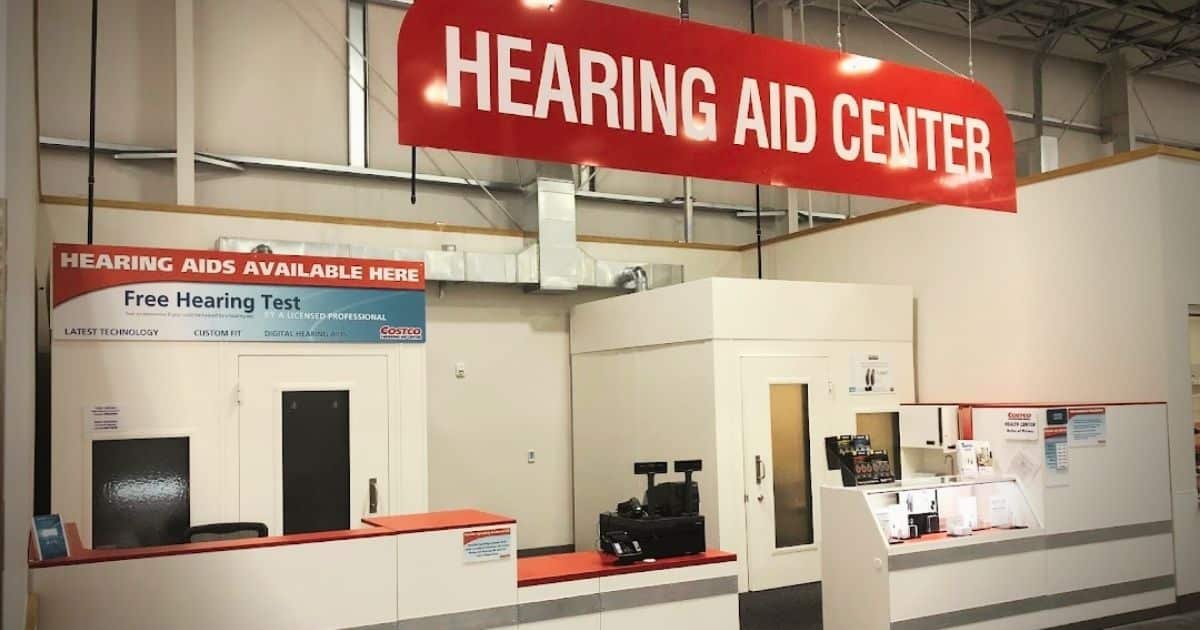
Costco has quietly become one of the largest hearing aid retailers in the world, and for straightforward age-related hearing loss it is genuinely hard to argue with the value proposition. Hearing aids at Costco run around $2,200 per pair, which includes a free comprehensive hearing test. The devices themselves are made by the same major manufacturers that supply private clinics, and the technology is competitive. The catch is that the care model is more transactional. Staff are typically hearing instrument specialists rather than audiologists, appointments can be in short supply, and the experience varies considerably between locations. If you can find a Costco centre with a strong practitioner, it can be excellent. If not, you may find yourself doing more of the ongoing management yourself. Costco does include unlimited free follow-up appointments and a six-month return policy, which reduces the risk of being stuck with something that does not work for you.
The Option Many People Miss: The Government Hearing Services Program
This is the one that surprises most people. If you hold a Pensioner Concession Card or a DVA Gold or White Card, you may be eligible for fully subsidised hearing aids at no cost to you through the Australian Government's Hearing Services Program (HSP). That means a comprehensive hearing assessment, device fitting, and follow-up care, potentially for nothing.
The subsidised devices are quality digital hearing aids covering the essentials; noise reduction, feedback suppression, automatic volume control, and directional microphones. If you want more advanced features like Bluetooth connectivity, those models are available at a partial subsidy, meaning you pay a reduced top-up rather than the full private price.
Under the program, eligible clients generally receive new devices every five years, or sooner if their hearing changes significantly. A Commonwealth Seniors Health Card, unfortunately, does not qualify, it needs to be a Pensioner Concession Card or a DVA card. To learn more about the Government Hearing Services Program click HERE!
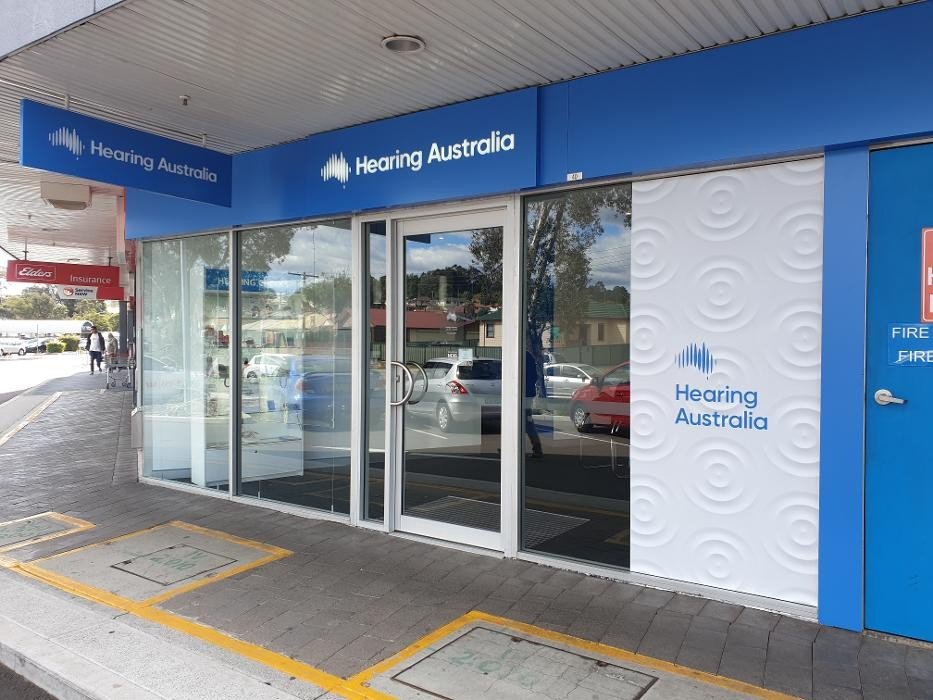
Accredited providers include Hearing Australia, Audika, Amplifon, Specsavers, and many independent clinics. No GP referral is required to get started.
What Should You Look For?
Regardless of which path you choose, a few things are worth checking. First, ask whether the clinician uses real ear measurements, this is a best-practice fitting technique that can significantly improve how well a hearing aid actually performs in daily life, and not everyone uses it. Second, understand what aftercare is included in the price. Ongoing adjustments in the first weeks and months are normal and important, and some providers charge for every visit. Third, confirm the return policy before you commit. Most reputable providers offer at least 30 days. One last point, and it is the one we would most want to leave you with. The research on untreated hearing loss and its connection to cognitive decline and social isolation is by now fairly settled. If you have been putting this off, the cost of waiting is not just the conversations you are missing now.
This article was prepared by Gemma Ryan, Office Manager at Ballingers Financial Planning, on 20 April 2026. It is general information only and has been prepared without taking account of your objectives, financial situation or needs. Before acting on anything in this article, you should consider its appropriateness to your circumstances and, where relevant, seek personal advice from a licensed financial adviser. Ballingers FP Pty Ltd (ABN 73 137 621 955) is the holder of Australian Financial Services Licence 338959
This article was prepared by Gemma Ryan, Office Manager at Ballingers Financial Planning, on 20 April 2026. It is general information only and has been prepared without taking account of your objectives, financial situation or needs. Before acting on anything in this article, you should consider its appropriateness to your circumstances and, where relevant, seek personal advice from a licensed financial adviser. Ballingers FP Pty Ltd (ABN 73 137 621 955) is the holder of Australian Financial Services Licence 338959